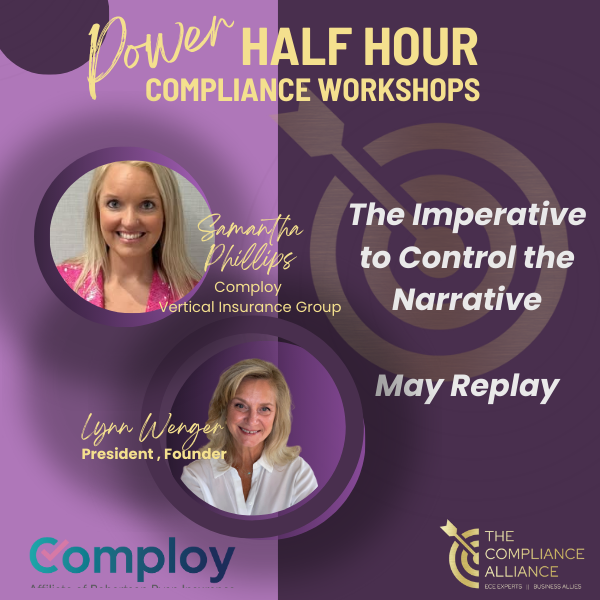
Insights from Samantha Phillips of Comploy Vertical Insurance Group with Lynn Wenger TCA
In the ever-challenging landscape of early childhood education, one topic is quickly becoming impossible to ignore: skyrocketing insurance premiums. On a recent episode of TCA Blog’s Compliance Alliance Power Half Hour, host Lynn Wenger TCA sat down with insurance expert Samantha Phillips to break down what’s driving these cost surges—and, most importantly, what childcare providers can do about it.
Understanding the Sticker Shock: Why Are Premiums So High?
If you’re a provider reeling from your latest renewal notice, you’re not alone. Samantha Phillips pulls back the curtain: “I’m literally the one having to relay, ‘We did everything we could, but your premium is increasing $15,000 more, $20,000 more,’” she shares, citing increases as high as $102,000 for some multi-site operators. The root causes are multifaceted. Locations prone to catastrophic losses—think wildfires in California, hurricanes on the coasts, or tornadoes—are seeing the highest jumps, as both liability and property rates escalate. For businesses already running on thin margins, this jump can feel insurmountable.
Control What You Can: Risk Management in Action
While much is out of providers’ hands (you can’t move your center away from a floodplain), Phillips emphasizes the importance of controlling what you can. For property risks, basic preventative measures are invaluable—sandbags before a hurricane, keeping 10-foot clearances around buildings in wildfire zones.
But it’s with liability where centers have the most influence. “Licensing compliance is the number one declination I see…because it’s what underwriters use to determine if these child care providers are risky or not,” Phillips explains. The bottom line: Providers with lapses in background checks, improper ratios, or negligent supervision are raising red flags for insurers. Staying strictly compliant—and meticulously documenting that compliance—is key to keeping premiums as low as possible and even securing coverage in the first place.
The Power of Documentation: Proof Matters
Intentions aren’t enough in today’s tight insurance climate. “Best outcome…comes from people with strong SOPs [Standard Operating Procedures],” Phillips says. Insurance companies want evidence that protocols are more than theoretical—that they’re actually followed. This is where proper documentation becomes a superpower. Proactive, detailed checklists (especially around risk areas like playground safety), staff handbooks, and clear documented procedures prove to insurers that a program is on top of its operational and safety practices.
Wenger introduces the idea of the “compliance trifecta”: SOPs, checklists, and regular audits. When these three elements work together, they create a bulletproof system that not only reduces the chance of incidents but also makes a powerful case to both insurers and parents.
Controlling the Narrative: Tell Your Story, Don’t Let Others Tell It For You
A standout topic in the episode is the concept of “controlling the narrative.” Phillips compares this to staging a house before sale—providers must proactively present their business in the best light to insurers (and others). That means creating a comprehensive document—a “child care insurance narrative”—detailing management practices, facility maintenance, compliance efforts, staff training, and how you’ve responded to past incidents.
This isn’t just spinning facts; it’s about transparency combined with evidence of ongoing improvement and learning. For example, if you’ve faced a licensing citation or a loss, don’t try to hide it. Instead, document the incident, describe your corrective actions, and highlight the procedural changes you’ve made since. This approach shows insurers (and potential buyers or lenders) that yours is a responsible, forward-thinking operation worth trusting.
Practical Tools: Templates and Keeping Documentation Alive
Samantha has created a plug-and-play template for this process—making it easy to compile your narrative in a structured, visually appealing way. Such a document isn’t just a one-off for insurance renewals; it can be invaluable when seeking financing, expanding, or marketing to parents. Wenger recommends updating it regularly so that your story remains accurate and compelling.
Download The Free Template Here