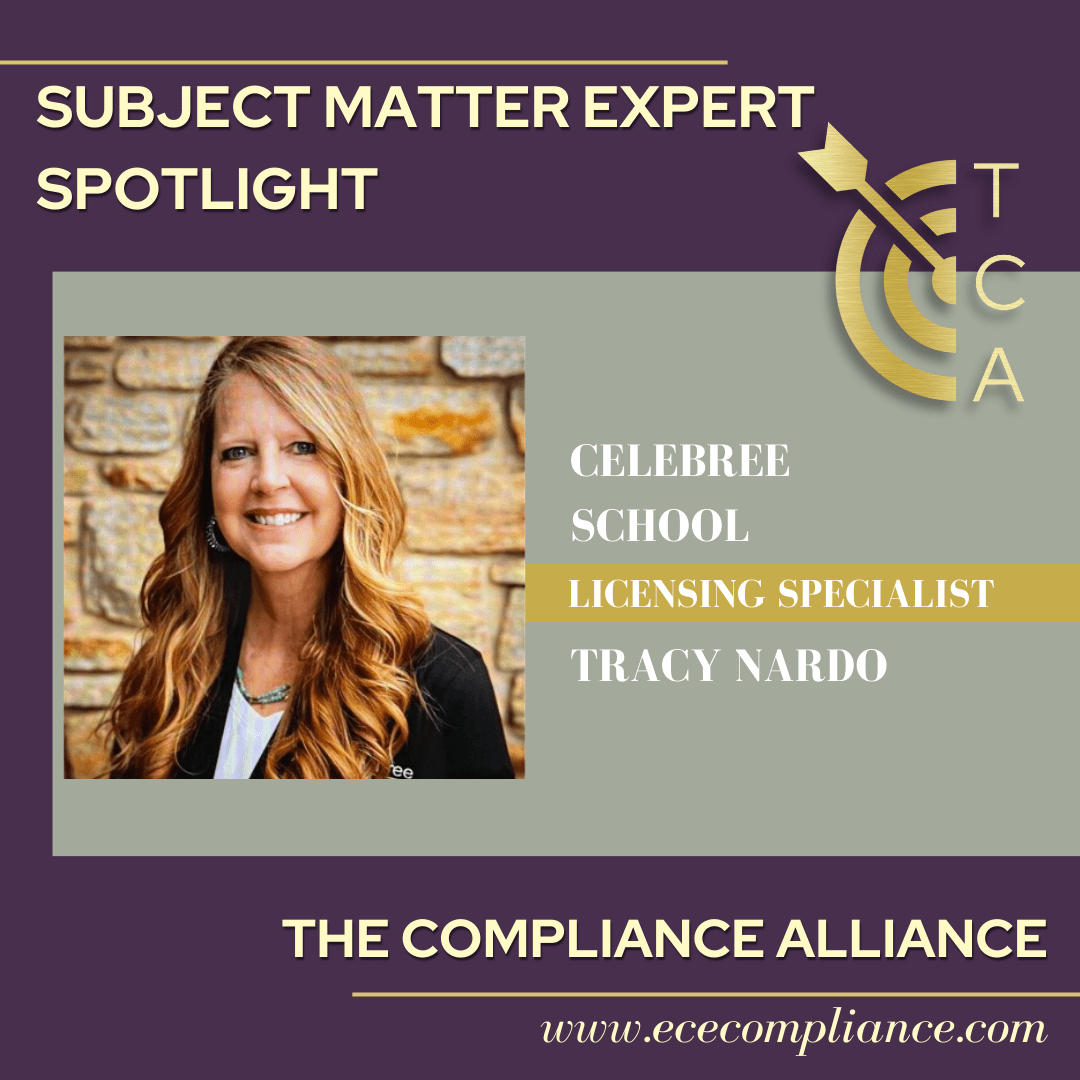
In the realm of early childhood education, the safety and well-being of children are paramount. As Tracy Nardo, a seasoned expert in risk management and safety with 14 years of experience, passionately discusses in our recent interview, high-risk moments require meticulous attention and robust systems to ensure compliance and safeguard the young ones under our care. During our comprehensive conversation, Tracy and I delved into various aspects of maintaining safety and compliance in early childhood settings, shedding light on why these measures are indispensable.
One incident that underscores the gravity of this responsibility involved a child being mistakenly left on the bus. “It’s a parent’s worst nightmare,” Tracy remarked, emphasizing the urgent need for rigorous checks and rechecks. This incident not only caused distress to the family but also brought media scrutiny, highlighting the systemic lapses that can occur even with experienced staff. To rectify the oversight, the concerned teacher had to retake driver training, serving as a stark reminder of the relentless vigilance required in our field.
The High Risk Areas of Safety Compliance
Safety compliance in early childhood settings spans various high-risk areas such as transportation, mealtime, and transitions. During our discussion, Tracy underscored the importance of staff being incredibly attentive during meals to prevent choking hazards. “Supervision during meals is non-negotiable,” she stressed. Additionally, managing food allergies with updated allergy lists and visible photos in classrooms and kitchens is crucial to mitigate potential health risks.
Transitions, too, pose significant risks, particularly when moving children from one area to another. Tracy recommended using walkie-talkies for effective communication during outdoor activities to prevent any lapses in supervision. Importantly, we discussed the necessity of conducting name-to-face checks at each transition point. “It’s about creating a system that leaves absolutely no room for error,” Tracy explained. This practice not only ensures that all children are accounted for but also instills a culture of safety within the staff.
We also explored the often-overlooked aspect of physical security in playgrounds. “Carabiners or locks on gates can prevent unauthorized exits, but the real value lies in constant visual and auditory oversight,” noted Tracy. Whether it’s securing playground gates or maintaining strict supervision protocols, these steps are vital to averting accidents and ensuring children remain within safe bounds.
In discussing the management of unforeseen situations such as a child being left unsupervised, Tracy highlighted the importance of self-reporting and adherence to transparency. “Being upfront in dealing with the incident, addressing public relations concerns, and reporting to licensing agencies is essential,” she advised. This proactive approach not only ensures compliance but also reinforces trust with parents and regulatory bodies.
Tracy also brought attention to the special care required during infant nap times to prevent Sudden Infant Death Syndrome (SIDS) and suffocation. Constant monitoring and thorough documentation of checks are critical during these periods, she emphasized. In essence, the safety protocols must be uncompromising.
The Role of Communications in Safety Compliance
Communication with parents is another cornerstone of safety compliance. Sometimes, parent requests may conflict with best practices, and it becomes necessary to navigate these situations with sensitivity and clarity. “We need to explain safety practices and the rationale behind them, even if they differ from home practices,” shared Tracy. Educators must feel confident in these conversations and escalate concerns to directors when needed. By articulating the reasons behind policies, such as the prohibition of glass bottles in infant rooms due to breakage risks, staff can foster understanding and cooperation from parents.
To maintain high standards, Tracy emphasized the importance of thorough onboarding for new staff members and the value of ongoing training and refresher courses. “New regulations and policies can emerge, making continuous education vital,” she stated. Additionally, self-auditing and compliance assessments by a second set of eyes are instrumental in identifying and addressing potential violations or risks before they escalate.
Our conversation concluded with a preview of an upcoming segment focusing on leveraging data for compliance and proactive measures. By shifting the perception of compliance from a daunting concept to one of support and partnership, early childhood settings can cultivate an environment where safety and compliance go hand in hand, ultimately benefiting the children and their families.
In summary, ensuring safety and compliance in early childhood settings demands unwavering attention, systematic checks, and open communication. As Tracy Nardo summed up, “It’s about creating and maintaining a culture where every staff member understands their role in safeguarding the children.” Through these efforts, we can achieve exemplary standards in child care, offering peace of mind to parents and a secure environment for children to thrive.
Watch the conversation here: