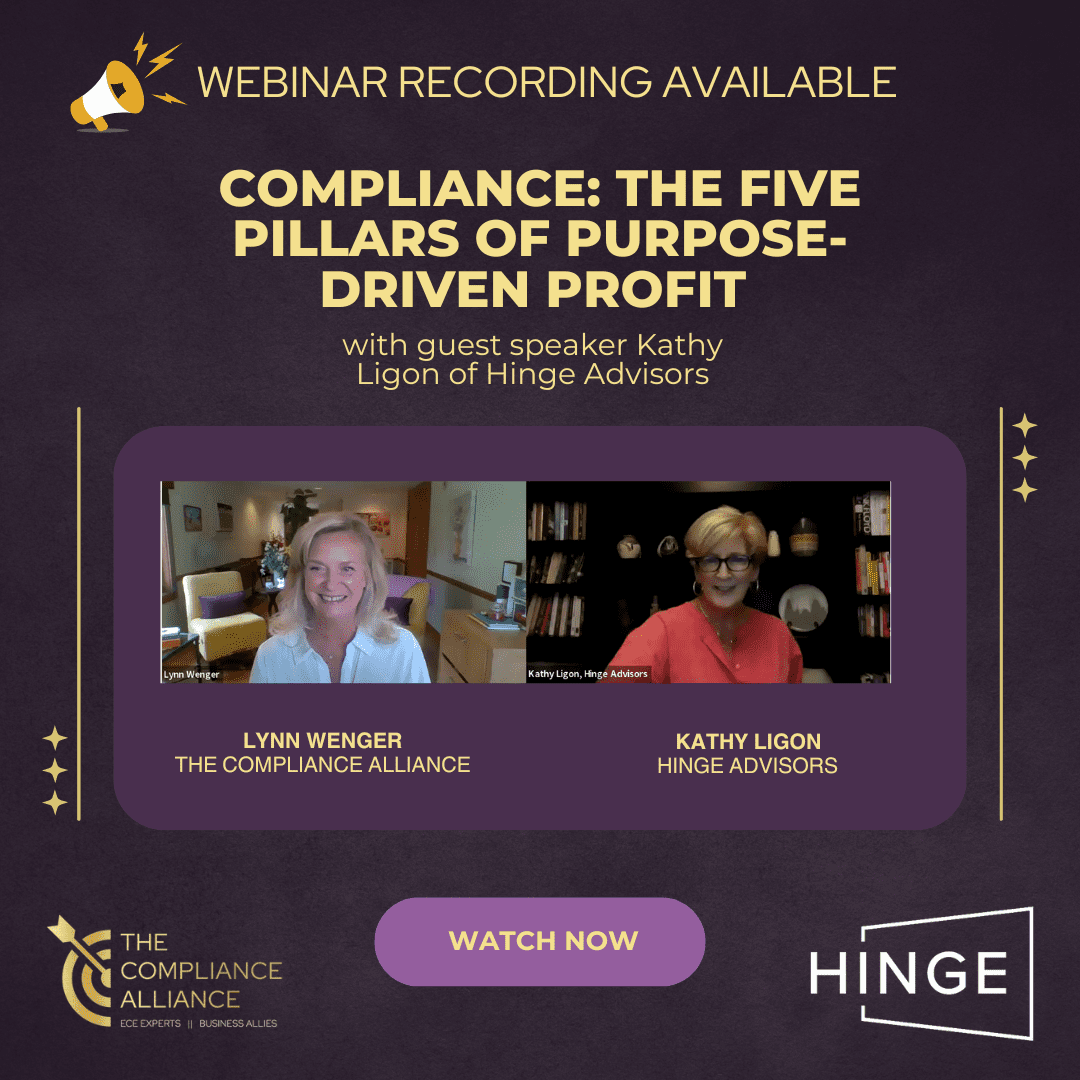
Navigating the complex landscape of early childhood education compliance can be challenging, but it is imperative for fostering a safe, effective, and financially sound environment. As Kathy Ligon, a seasoned expert with over 30 years of experience in early education, emphasized during our recent webinar, “Compliance is not just about ticking boxes; it’s a core part of running a mission-driven, financially responsible organization.”
The Importance of Technology in Compliance
In today’s tech-savvy world, leveraging technology effectively is crucial. From setting up standard operating procedures (SOPs) to collaborating with technology providers for robust security protocols, the right tech tools can streamline compliance efforts. “Policies governing the use of tablets and phones are necessary, and human resources play a pivotal role in ensuring compliance through these policies and legal responsibilities,” stated Ligon. This approach not only minimizes risks but also sets a precedent for a culture anchored in compliance.
Financial responsibility and compliance go hand in hand. Adhering to generally accepted accounting practices is not just a matter of financial prudence but also about being accountable to stakeholders. Proper financial controls ensure that tuition and investment monies are managed with the utmost integrity, allowing for both mission-oriented and profitable operations. Ligon’s counsel to “share financial data with the team to build understanding and ownership” underscores the need for transparency and collective responsibility in achieving compliance.
Building a Culture of Compliance
Establishing a culture of compliance requires more than just policies and procedures. It involves training and engaging staff at every level. “Adding new SOPs can’t just be top-down,” shared Lynn Wenger, founder of Compliance Alliance. “You need to involve your team in decision-making and communicate the purpose and growth opportunities these standards bring.”
By integrating compliance as part of the school’s core values, rather than a mere regulatory requirement, we build a resilient framework that supports quality and safety at every turn. Wenger further explained that well-documented SOPs are invaluable, no matter the current stage of the business—whether in growth, maintenance, or planning for succession.
Financial Benchmarking and Strategic Growth
Maximizing financial health through strategic measures is fundamental. The Framework app by Hinge Advisors offers valuable tools for monitoring key financial metrics and enhancing transparency. “The app provides benchmarks and allows manipulation of occupancy rates and tuition fees for budgeting purposes,” noted Ligon. This resource assists leaders in evaluating their financial landscape comprehensively, guiding them to make informed and strategic decisions.
Understanding opportunity costs is another cornerstone of strategic financial management. Ligon rightly pointed out, “There are significant opportunity costs of not being knowledgeable and strategic about financial health.” This knowledge not only ensures the efficient allocation of resources but also supports the broader mission of serving more families and enhancing the overall quality of education.
Conclusion
In conclusion, early childhood education compliance extends beyond adhering to regulations—it encompasses financial responsibility, strategic growth, and fostering a culture of safety and quality. As Kathy Ligon and Lynn Wenger emphasized, developing a strong compliance story, integrating robust SOPs, and leveraging technology are essential practices that align compliance with profit and purpose. By embedding these principles into daily operations, early education providers can navigate the complexities of compliance effectively while ensuring the best outcomes for the children and families they serve.
By prioritizing compliance, we not only manage risks but also pave the way for sustained growth and excellence in early childhood education.