Building a Culture of Compliance in Early Childhood Education
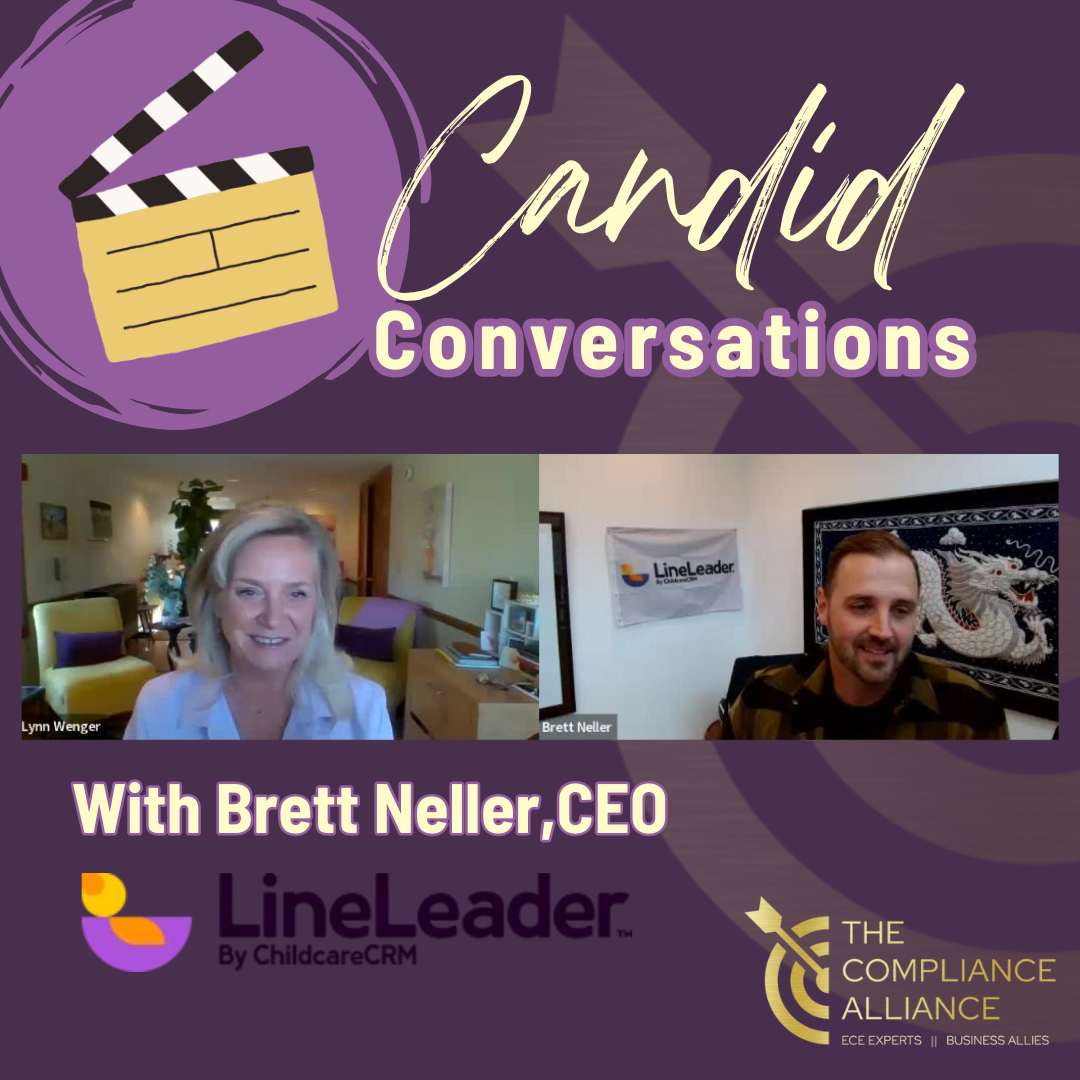
When it comes to early childhood education, ensuring compliance isn’t just about meeting regulations; it’s about creating a thriving, safe environment for children to learn and grow. Compliance should be seen as a “badge of honor,” as Lynn Wenger, host of the Compliance Alliance Candid Conversations, highlighted in her discussion with Brett Neller, CEO of Line Leader. In their conversation, they emphasized the significance of embedding compliance into the very DNA of an organization, transforming it into a core value rather than simply an obligation.
Why Compliance Should Be in Your Organization’s DNA
Compliance in early childhood education is vital, as it directly impacts the safety and well-being of children. As Brett Neller insightfully pointed out, “If safety, compliance, whatever, however you want to frame it, is not part of your mission or your values, it’s really hard to get buy-in throughout the organization.” This statement underscores the importance of integrating compliance into the mission and vision of an organization. When compliance principles are part of the organizational fabric, they foster a culture of accountability at every level, from how daily operations are managed to how the staff approaches risk management.
Neller also emphasized the importance of a proactive approach to compliance: “It’s important to define properly… the first part of effectively managing risk is identifying the risk.” By actively identifying and planning for potential risks, organizations can mitigate the likelihood of issues escalating, ensuring a safer atmosphere for children.
Embedding Compliance as a Core Brand Value
Transforming compliance into a core element of your brand is a powerful strategy that aligns with parental expectations and enhances organizational reputation. According to Neller, making compliance a featured aspect of your brand can significantly influence parental decision-making: “Make it part of your brand. It’s an undervalued part of your brand if you’re doing it and not sharing it.” By incorporating robust compliance and risk management practices into your communication strategies, you can reassure parents that their children are in a safe environment.
Moreover, Wenger emphasized the branding aspect by stating that the practices should be displayed, “That’s something that you can put on your website.” This transparency not only builds trust with families but also elevates the perceived value of your services, thereby potentially increasing enrollment and retention rates.
Equipping Your Organization for Compliance Success
One might wonder if these compliance frameworks are only beneficial for large organizations, but Neller addressed this concern, “Absolutely not… It can be done in teams even.” Optimal compliance management doesn’t require extensive resources; even small centers can adopt simple yet effective risk management strategies. The key lies in fostering organizational buy-in and maintaining regular communication about compliance initiatives.
As we look towards the future, embedding compliance deeply into the organizational culture of early childhood education centers will continue to be crucial. Through open dialogues like the one between Lynn and Brett, and by embracing a proactive compliance posture, organizations can thrive while providing children with a secure environment to learn and grow.