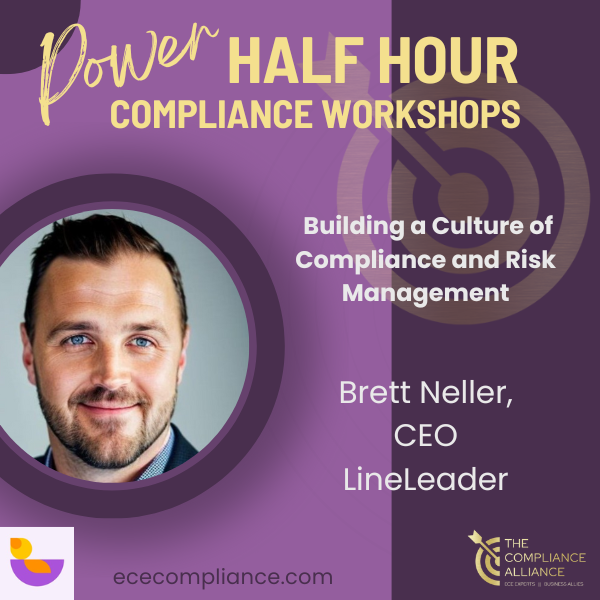
In the ever-evolving landscape of early childhood education, one aspect that stands out prominently is risk management. This vital component not only safeguards the integrity of educational institutions but also instills a culture of accountability. As Lynn Wenger rightly puts it, “risk management is something that everybody in the organization is responsible for.” It’s about more than just compliance—it’s about creating an environment where potential risks are acknowledged and addressed proactively.
Understanding the Importance of Risk Management
Risk management is fundamentally about understanding and mitigating factors that could negatively impact an organization. Brett Neller, a seasoned expert, describes it as looking around the corner, not just to the corner. He emphasizes that “proactively identifying and controlling threats and vulnerabilities” is essential to protect an organization’s reputation, financial health, and legal standing.
Lynn eloquently points out that risk management isn’t confined to the responsibilities of a single individual or a select group at the C-suite level. She argues, “It’s not just the top down or the C suite or the leaders as we tend to think about.” Instead, it’s about engaging everyone, from classroom teachers to enrollment specialists, in the process of identifying and mitigating risks.
Integrating Risk Management into Organizational Culture
Creating a culture of compliance and accountability within an organization begins with a clear mission, valuable team goals, and transparent communication. As Brett Neller notes, “You want to mitigate risk to be successful.” While that sounds simple, the journey to achieving it requires continuous dialogue and collaboration across various levels of the organization.
Wenger and Neller both emphasize the power of team involvement in risk management. Lynn highlights how cross-functional dialogue can reveal risks from perspectives leaders might not have considered. Brett adds, “Spread the burden of risk management… incorporate the team and the individuals across your center operations.”
By encouraging open communication and involving diverse stakeholders in discussions about potential risks, organizations create a robust framework that not only preempts crises but also empowers individuals to contribute to shared goals.
Moving Forward with Confidence and Clarity
In the realm of early childhood education, embracing a comprehensive approach to risk management can transform potential challenges into opportunities for growth. Andrews mentions, “If you don’t put them all down on paper, if you’re not talking about them, if you’re not thinking about the future of what may happen, that’s not great for the organization.”
By adopting this mindset, organizations can navigate the complexities of compliance with confidence, securing their reputation and financial health while fostering a positive learning environment. Collaboration, transparency, and proactive identification of potential risks are essential elements in constructing a successful risk management strategy.
In conclusion, building a culture that values compliance and risk management goes beyond ticking boxes; it involves instilling a sense of responsibility and empowerment throughout the organization. By leveraging lessons from experts like Brett and Lynn, early childhood education centers can not only meet regulatory standards but also thrive in a dynamic educational landscape.