In the dynamic world of early childhood education, ensuring the safety and well-being of children is paramount. This commitment to safety isn’t just a regulatory requirement—it’s a badge of honor that can elevate a school’s reputation and appeal. One key aspect that stands out in the realm of compliance is adhering to the Occupational Safety and Health Administration (OSHA) standards. Adopting these standards not only fosters a safer environment but also showcases a school’s dedication to best practices.
Understanding the Importance of OSHA in Childcare
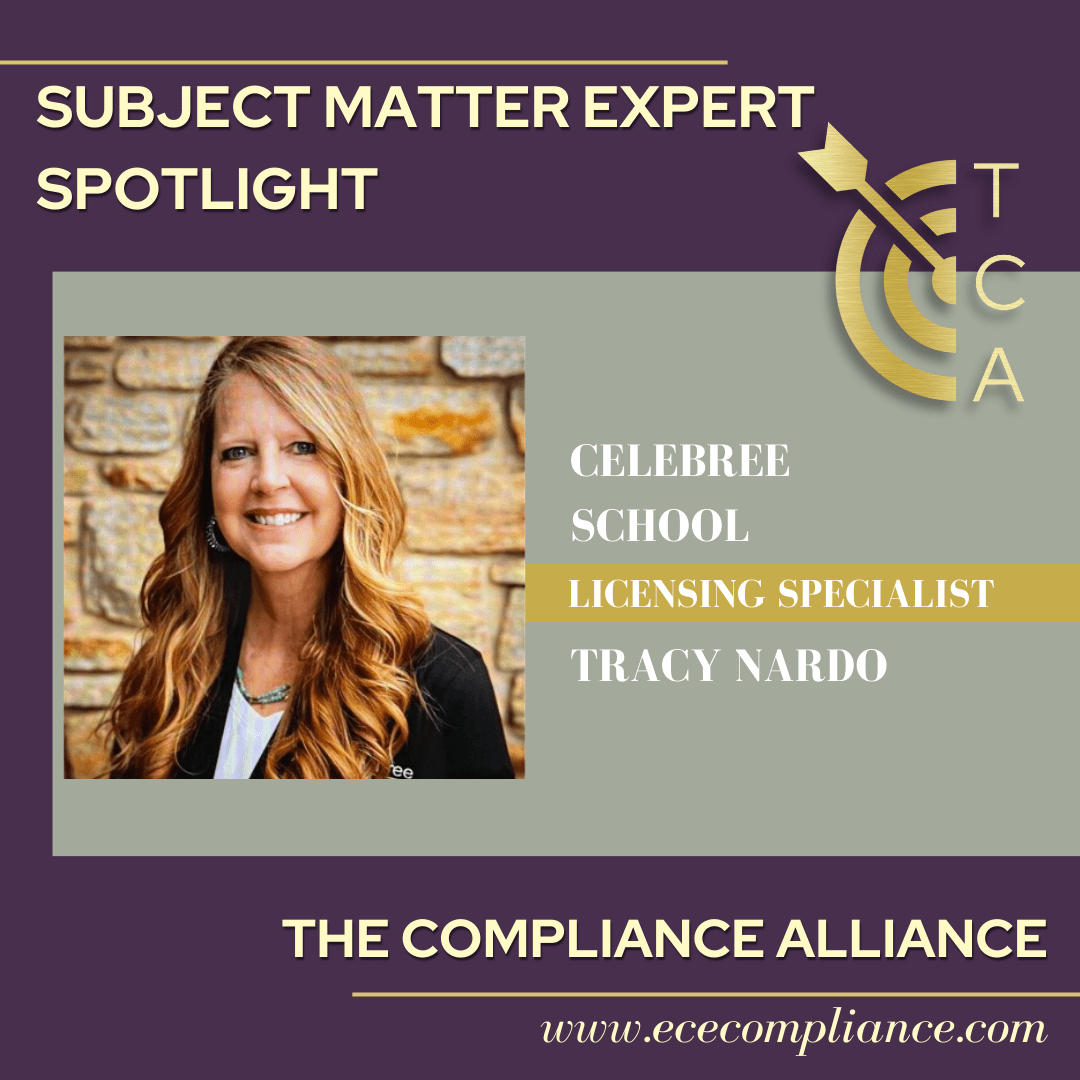
Tracy Nardo, a licensing specialist at Celebree Schools with 36 years of experience in the field, offers keen insights into the importance of OSHA in the early education landscape. As she articulates, “Childcare falls under that general industry category, which should observe OSHA.” This underscores the fact that OSHA’s regulations are not just for factories and healthcare facilities; they are equally pertinent to schools and childcare centers. Yet, there’s often a gap in awareness among early education professionals about how OSHA applies to their daily operations.
Implementing Hazard Communication and PPE Training
One of the foundational elements of OSHA compliance in schools is hazard communication. This involves the proper labeling and handling of chemicals. Tracy emphasized its importance by explaining, “Hazard communication requires employers to disclose toxic and hazardous materials.” In practical terms, this means every spray bottle, every container, must be clearly labeled with its contents. Safety Data Sheets (SDS) must be available for every chemical used on the premises, delineating procedures for safely handling and responding to spills or emergencies. These sheets aren’t just bureaucratic necessities; they are lifesavers in the event of an accident. “I will tell you that I have visited schools with the insurance carriers… they will ask random teachers where they keep their safety data sheets,” Tracy shares, highlighting how crucial it is for everyone on staff to be familiar with these protocols.
Another critical aspect of OSHA compliance is the use of Personal Protective Equipment (PPE). Tracy pointed out, “It is the equipment worn to minimize exposure to hazards and serious injuries that could result in not wearing PPE.” This isn’t just about adhering to regulations; it’s about instilling a culture of safety. Whether it’s gloves, goggles, or other protective gear, using PPE correctly can prevent injuries and reduce risks. The training on PPE is just as important. Staff needs to know not only how to wear the equipment properly but also why they are wearing it. This training helps in making safety a tangible part of their daily routine.
Leveraging Compliance for Marketing and Avoiding Pitfalls
Embracing OSHA standards is not merely a compliance issue; it’s a strategic move. As noted in the conversation, “Insurance may review a licensing history or OSHA history, and if there is a lot of violations or fines, they may decline coverage.” In a time when insurance options are limited and crucial for a school’s operation, maintaining a spotless compliance record is imperative.
Beyond the technical and regulatory aspects, complying with OSHA standards can be a part of a school’s marketing and branding strategy. Lynn Wenger, the host of the discussion, aptly mentions that following these practices, “should be worn as a badge of honor.” Schools can take pride in their commitment to creating a safe environment for children. It can be a unique selling point that sets them apart from others.
Moreover, the conversation between Lynn and Tracy highlighted the broader implications of safety and compliance, touching on trending issues like the impact of social media. The rapid dissemination of both positive and negative news on social platforms means that schools must be vigilant. A single oversight can lead to significant repercussions, as Tracy pointed out, “Unfortunately, social media has come into play in the past five years more.” Yet, when handled diligently, it can also be a platform to showcase a school’s dedication to safety and excellence.
In conclusion, navigating the complexities of early childhood education compliance, particularly with OSHA standards, is an ongoing yet rewarding journey. It fortifies the trust that parents place in educational establishments and enhances the overall quality of care provided to children. As Tracy aptly concludes, “we are a safe school,” embodying pride in adhering to best practices. This commitment to compliance not only safeguards the school community but also reinforces the institution’s reputation as a beacon of safety and excellence.
Check out the full interview on our YouTube Channel!