Unlocking the Future of Early Childhood Compliance with AI
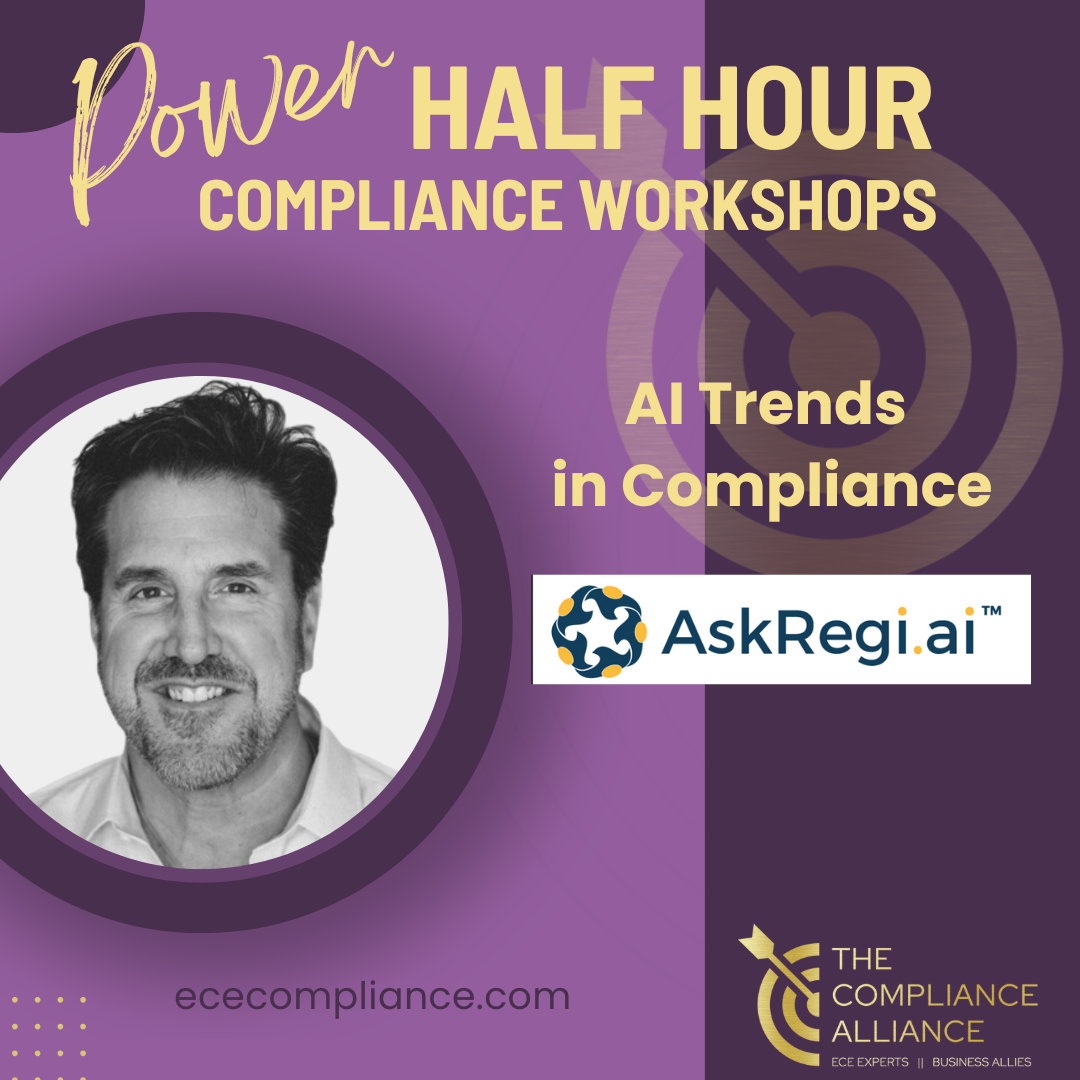
In the rapidly evolving field of early childhood education, compliance remains a cornerstone for ensuring the safety and welfare of our youngest learners. With the introduction of artificial intelligence (AI) into the mix, the landscape of compliance is poised for transformation. In a recent discussion with Tony D’Agostino, founder and CEO of Inspire Care 360, we delved into the dynamic role AI plays in bridging the gap between compliance and innovation in early childhood education.
Harnessing AI for Marketing and Content Creation
During the conversation, Tony highlighted the profound impact AI can have in marketing for childcare centers. “AI is a super quick way to get to a really high-quality degree of content,” Tony explained. As a childcare center owner himself, Tony understands the challenge of producing engaging and relevant content consistently. By leveraging AI, educators and operators can create captivating materials without the constant need for hiring external teams, thus allowing them to focus more on delivering high-quality education.
Enhancing Educational Creativity through AI
While marketing is one realm AI is set to transform, its role in the classroom is equally promising. “The opportunity for teachers to take their creativity to the next level” is immense, Tony mentioned. AI can assist educators by generating innovative activities tailored to specific learning environments. Whether it’s STEM, social-emotional learning, or enhancing motor skills, AI tools can refresh and invigorate practices, helping stave off the monotony that often sets in with routine curricula.
Revolutionizing Compliance Processes
Perhaps the most significant stride AI offers is in managing compliance. Tony detailed the benefits, stating, “To stay efficient, to optimize opportunity, profitability, so we can invest back in our schools, taking advantage of AI to help us manage the regulations.” With tools like AskRegi.ai elevates the way administrators manage complex compliance requirements, reducing time spent sifting through regulations by providing instant, reliable answers tailored to their specific state mandates.
For early childhood providers venturing into new states or expanding current operations, AI solutions can streamline knowledge acquisition and integration, making transitions seamless. Tony’s enthusiasm for AI’s potential was evident as he described future advancements like AI-driven voice commands, which could herald the next wave of hands-free, real-time regulatory assistance in classrooms.
In a world where educational demands are constantly expanding, the integration of AI in early childhood compliance stands as both an innovative step and a necessary evolution. As we continue to explore and utilize AI’s capabilities, the promise it holds for enriching early education while safeguarding compliance cannot be overstated. The future is bright, and the journey is just beginning.