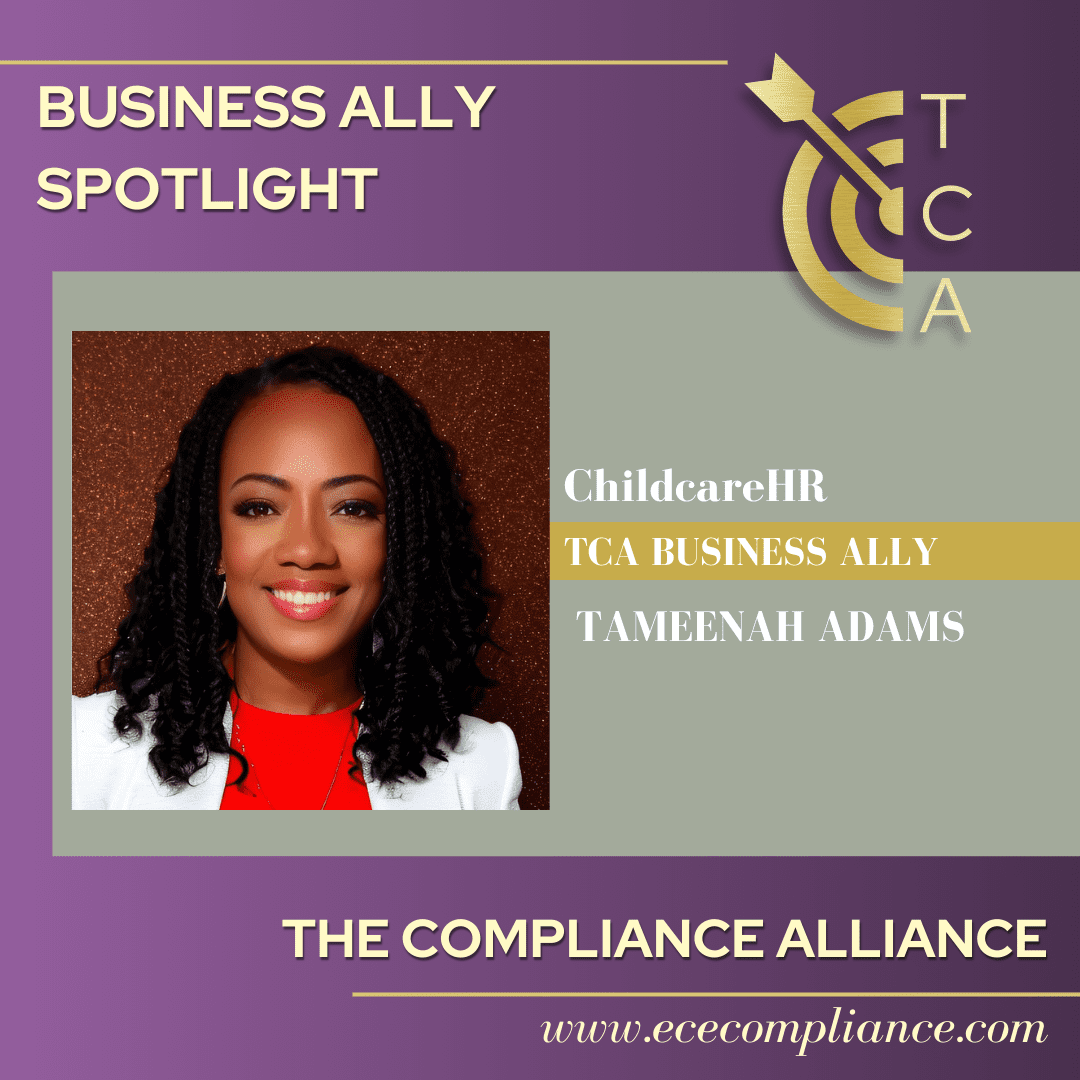
When it comes to early childhood education, compliance is not just about ticking boxes; it’s about safeguarding the dreams, efforts, and aspirations of childcare providers. Tameenah Adams, founder of ChildcareHR, sheds light on the critical intersection of human resources and regulatory compliance in the childcare sector in a recent interview.
Tameenah emphasizes the essential role of employees in childcare, stating, “The children are big assets, but our employees are even bigger assets.” This clear focus on workforce management is crucial to understanding how effective HR practices can significantly impact overall compliance. In a sector where passion and dedication often drive business, overlooking legalities and regulations can lead to severe consequences, such as wrongful termination lawsuits and EEOC claims.
Navigating Wage and Hour Compliance
One of the most pressing compliance challenges highlighted by Tameenah is wage and hour compliance. “Understanding and navigating through all of the wage and hour laws, specifically around the big one now is sick and safe leave,” she explains. While most are familiar with sick leave, safe leave is a lesser-known but equally important component. This provision protects victims of domestic violence, allowing them the necessary time off without jeopardizing their employment. Given the predominantly female workforce in childcare, Tameenah’s example of a no-call, no-show employee who was hospitalized due to domestic violence underscores the real-world relevance and importance of such policies.
The Complex World of Employee Rights
Another key area is compliance with the Americans with Disabilities Act (ADA), particularly with its recent expansions. “The second biggest thing would be ADA and understanding, giving people their ADA rights, especially when it comes to pregnancy, considered to be a protected disability,” Tameenah notes. Navigating these complexities requires up-to-date policies that reflect current laws, ensuring that employee rights are preserved while maintaining a compliant workplace.
Additionally, managing workplace investigations is crucial. “A lot of times, the vicarious liability isn’t in the fact of listening to what’s going on, it’s how it was managed and what was the outcome of what happened,” Tameenah explains. Properly conducted investigations and appropriate outcomes mitigate risks, fostering a safer and more compliant work environment.
Partnering for Success
Tameenah praises the Compliance Alliance for their approach, likening it to her own method at ChildcareHR. She appreciates the idea of being “in the trenches” with childcare providers, offering not just advice but ongoing partnership. “We believe in creating transparent and empathetic partnerships,” she says, highlighting the importance of working together rather than just providing a set of guidelines. This collaborative approach resonates with her belief in supporting childcare owners to keep their dreams from turning into nightmares.
To conclude, ensuring compliance in early childhood education requires a delicate balance of empathy, legal precision, and proactive management. By focusing on compliance areas such as wage and hour laws and employee rights, and fostering partnerships like those between ChildcareHR and Compliance Alliance, the childcare sector can maintain systems that support both their employees and the children they nurture. As Tameenah puts it, “We’re in the trenches with you, getting you there together.”
Understanding the complexities of human resources and compliance can make all the difference in providing safe, legal, and empathetic environments for both employees and children in the childcare sector.
Watch the full interview here: